
Fissure

Fissure

A fissure typically refers to a narrow opening or crack, and the term is used in various contexts. Here are a couple of common meanings:

  1. Geological Fissure: In geology, a fissure is a crack or opening in the Earth's crust. This can occur due to tectonic activity, earthquakes, or other geological processes.

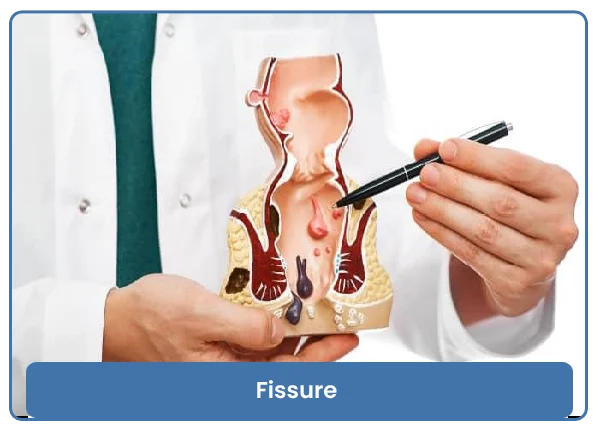
  2. Anorectal Fissure: In medical terms, an anal fissure is a small tear or cut in the lining of the anus. This condition often causes pain, bleeding during bowel movements, and discomfort. Anorectal fissures can be caused by constipation, passing large or hard stools, or other conditions affecting the anal area. Treatment may include dietary changes, stool softeners, and, in some cases, medical procedures.

If you have a specific context in mind or if you're referring to a different type of fissure, please provide more details so that I can offer more accurate information.


Category : Fissure

FAQ

Gastrointestinal surgery encompasses a wide range of procedures that treat benign (noncancerous) and malignant (cancer) conditions that affect the body's digestive system.
The GI tract is another name for your body's digestive tract. It consists of several tube-like organs joined together—starting at the esophagus in the mouth and ending at your anus. Each piece of the GI tract plays a role in how your body digests (breaks down) food and nutrients. Organs that make up the GI tract include: Esophagus Stomach Small intestine (small bowel) Large intestine (colon) Rectum Anus The digestive system also includes organs that aren't part of the GI tract. These organs include: Gallbladder Liver Pancreas
Both gastroenterologists and GI surgeons diagnose and treat conditions affecting the digestive system. Gastroenterologists are trained in internal medicine and receive additional training in problems of the digestive system. They treat GI conditions medically (such as with medicines) and perform nonsurgical procedures, such as colonoscopies.
Individuals with a body mass index of 35kg/m2 and a weight related condition (diabetes, sleep apnea, high blood pressure) or 40kg/m2 or greater are eligible for bariatric surgery.
Individuals who do not meet the BMI criteria are typically not candidates for bariatric surgery. Someone with complex medical and surgical needs may meet the BMI criteria but after meeting with a surgeon, it can be determine that the individual risk is greater than the potential benefit of the surgery. These situations are rare and are discussed individually with your care team.
Individuals interested in scheduling an appointment with the Penn Bariatric and Weight Loss Surgery Program should call 800-789-7366 (PENN). Patients already enrolled in the Penn Bariatric and Weight Loss Surgery Program should call their surgeon office directly.
Get Direction